

There is a common misconception in India that you need a lump sum of lakhs or a high net worth to enter the financial markets. This myth has kept millions of hard-working Indians keeping their money in savings accounts, earning interest rates that barely beat inflation.
The reality? The price of a large pizza or two movie tickets is enough to start your journey toward financial independence.
Thanks to the Systematic Investment Plan (SIP) revolution, finding mutual funds to invest in with just ₹500 is not only possible, it is one of the smartest financial moves a beginner can make. Whether you are a college student or starting your first job, this guide will walk you through how small sums can lead to massive outcomes.
Table of Contents
Why Start Small? The Power of ₹500
Many new investors ask, “Will ₹500 really make a difference?”
The answer lies in the Power of Compounding. When you invest in a mutual fund investment, you earn returns on your principal. Over time, you earn returns on your returns. It creates a snowball effect.
Let’s look at the data. If you start an SIP of ₹500/month, here is how it looks over different time horizons (assuming a conservative 12% annualized return):
| Investment Duration | Total Amount Invested | Estimated Future Value |
| 5 Years | ₹30,000 | ₹41,243 |
| 10 Years | ₹60,000 | ₹1,16.000 Lakhs |
| 20 Years | ₹1,20,000 | ₹4,99,000 Lakhs |
| 30 Years | ₹1,80,000 | ₹17,60,000 Lakhs |
Insight: The magic isn’t in the amount of money; it is in the amount of time. Starting early with ₹500 is often better than starting ten years later with ₹5,000.
Understanding How Mutual Funds Work for Small Investors
When you invest ₹500, you aren’t buying a single stock. You are buying units of a diversified portfolio.
The Role of the Asset Management Company (AMC)
Your money is pooled with thousands of other investors. This pool is handled by a professional Mutual Fund Asset Management Company (AMC). The AMC creates a scheme (the fund) with a specific objective, for example, investing in top 50 Indian companies (Large Cap) or spreading risk across debt and equity (Hybrid).
The Role of the Fund Manager
You do not need to track the stock market daily. A qualified mutual fund manager makes the buying and selling decisions for you. Their job is to research sectors, analyze company balance sheets, and ensure the fund performs according to its benchmark. For a small fee (Expense Ratio), you get access to institutional-grade expertise.
Types of Mutual Funds Suitable for ₹500 SIPs
Not all funds accept ₹500 SIPs, and not all are suitable for beginners. Here is a breakdown of categories to consider:
1. Index Funds (Passive Strategy)
- What they do: They replicate an index like the Nifty 50 or Sensex.
- Why for beginners: They have very low expense ratios and remove the risk of “fund manager bias.” You simply ride the growth of the Indian economy.
- Minimum Investment: Usually starts at ₹500.
2. Large Cap Funds
- What they do: Invest in the top 100 largest companies in India (like Reliance, HDFC, TCS).
- Why for beginners: These companies are stable and less volatile compared to smaller companies.
3. ELSS (Equity Linked Savings Scheme)
- What they do: These are tax-saving mutual funds with a 3-year lock-in period.
- Why for beginners: If you are in a tax bracket, this helps you save tax under Section 80C while growing your wealth.
How to Choose the Right Fund
With thousands of schemes available, selecting the right mutual funds to invest in can be daunting. Check these four parameters:
- Expense Ratio: This is the annual fee charged by the fund house. Lower is generally better.
- Fund Manager Tenure: Look for a mutual fund manager who has managed the scheme for at least 3-5 years through market ups and downs.
- Rolling Returns: Don’t just look at the last 1 year of performance. Look at 3-year and 5-year consistency.
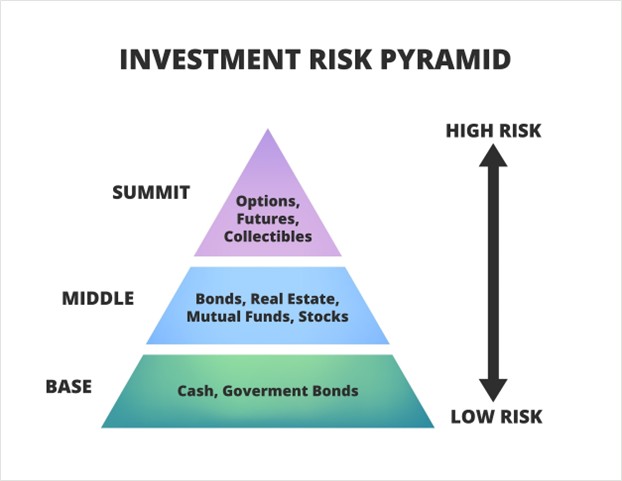
- Risk Profile: Ensure the fund aligns with your risk appetite. Equity funds are high risk-high reward; debt funds are lower risk-lower reward.
How to execute: MF Distributor vs. DIY
Once you have decided to start, you have two primary ways to invest:
1. Through an MF Distributor
An MF distributor is a certified professional who can help you select funds based on your financial goals. They earn a small commission from the fund house (Regular Plans).
- Pros: You get guidance, paperwork assistance, and portfolio reviews.
- Cons: Returns are slightly lower due to the commission cost.
2. Direct Plans (DIY)
You invest directly with the AMC or via fintech apps.
- Pros: Lower expense ratio, meaning slightly higher returns.
- Cons: You must do your own research. If you panic and sell during a market crash, there is no advisor to hold your hand.
Checklist to Start Your First SIP Today
- KYC Compliance: Ensure your PAN and Aadhaar are linked and your KYC is updated.
- Set a Goal: Is this ₹500 for a bike, an emergency fund, or long-term wealth?
- Automate It: Set the SIP date for a day or two after your salary credit (e.g., the 5th or 7th of the month).
- Don’t Stop: The market will go up and down. When the market is down, your ₹500 buys more units (Rupee Cost Averaging). Never stop your SIP during a dip.
Conclusion
The journey to ₹1 Crore doesn’t start with a lottery ticket; it starts with the discipline of saving your first ₹500. By choosing the right mutual funds to invest in and remaining consistent, you leverage the growth of the Indian economy to secure your future.
Ready to start your investment journey?
Don’t navigate the financial markets alone. Whether you need an MF distributor to guide you or a comprehensive financial plan, taking the first step is what counts.