

Union Budget 2026-27 analysis begins with a simple truth: this is not a loud budget, but a deeply structural one designed for long-term economic resilience.
It does not attempt to excite markets in the short term or chase populist approval. Instead, this budget quietly reinforces India’s long-term economic foundations at a time when global uncertainty, geopolitical fragmentation, and capital volatility are rising.
This Union Budget 2026-27 analysis focuses on fiscal discipline, manufacturing depth, infrastructure continuity, and long-term investor outcomes.

Table of Contents
1. Union Budget 2026-27: Why This Budget Matters
Union Budget 2026-27 arrives at a critical moment.
Global growth is slowing. Trade barriers are rising. Capital flows are becoming more selective. Against this backdrop, India has chosen stability over stimulus and continuity over experimentation.
For long-term investors, this approach reduces macro risk and improves the probability of sustained compounding.
This is precisely why this Union Budget 2026-27 analysis deserves attention beyond market headlines.
2. Union Budget 2026-27 Analysis: Macroeconomic Snapshot
The macro framework of Union Budget 2026-27 is anchored in credibility.
Key numbers to note:
- Fiscal deficit: ~4.3% of GDP
- Debt-to-GDP: Clear glide path toward ~50% by FY31
- Nominal GDP growth assumption: ~10%
- Public capital expenditure: ₹12.2 lakh crore
This combination signals a government committed to fiscal discipline without sacrificing growth momentum.
From an investor’s perspective, stable fiscal math lowers risks related to:
- Bond yield spikes
- Currency volatility
- Sudden policy reversals
That stability is a quiet but powerful positive.
For investors trying to understand how macro stability translates into portfolio decisions, our detailed framework on long-term asset allocation explains how fiscal discipline and growth assumptions shape real-world investment outcomes.
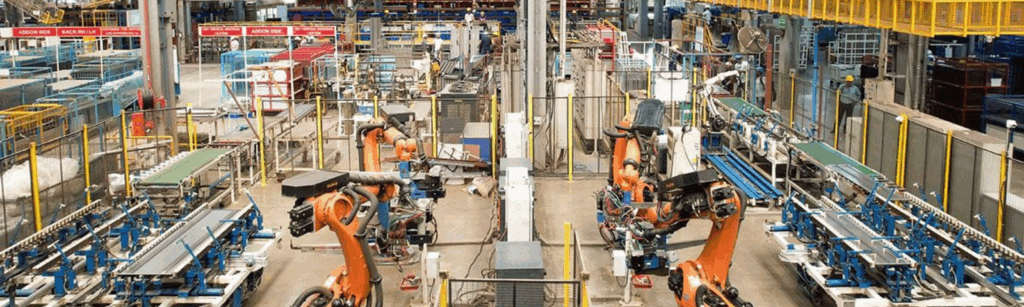
3. Manufacturing Push in Union Budget 2026-27
The defining pillar of Union Budget 2026-27 is manufacturing depth, not just capacity.
From an investor’s lens, this Union Budget 2026-27 analysis highlights why manufacturing-led growth is being prioritized over consumption-driven stimulus.
Key manufacturing initiatives include:
- Biopharma SHAKTI: ₹10,000 crore over five years
- India Semiconductor Mission 2.0: Full-stack capability: materials, equipment, and IP
- Electronics Component Manufacturing: Outlay raised to ₹40,000 crore
- Rare Earth Corridors: Securing future-critical supply chains
- Textiles & Capital Goods: Modernisation of legacy clusters
This is not cyclical stimulus.
This is structural industrial policy.
4. Infrastructure & Capex: Growth Without Excess
Union Budget 2026–27 continues India’s infrastructure push but with restraint.
Public capex remains elevated, not explosive.
Key focus areas include:
- Roads, railways, and freight corridors
- Logistics and multimodal connectivity
- Infrastructure Risk Guarantee Fund to crowd in private capital
- Asset monetisation via CPSE-linked REITs
- Tier-II and Tier-III city development
For investors, this means earnings visibility without overheating a far healthier setup for long-term portfolios.
5. MSMEs and Services: The Silent Growth Engine
One of the most underappreciated aspects of this Union Budget 2026-27 analysis is its support for the economic middle.
Key measures include:
- ₹10,000 crore SME Growth Fund
- Mandatory use of TReDS for CPSE procurement
- “Corporate Mitras” to ease compliance costs
- High-powered Education-to-Employment Committee
These initiatives broaden growth participation and reduce over-reliance on a few large sectors.
Sustainable GDP growth is built on breadth, not headlines.
6. Taxation Changes in Union Budget 2026-27
A key takeaway from this Union Budget 2026-27 analysis is the clear preference for long-term capital over short-term speculative activity.
Instead, it sends clear behavioural signals.
Notable changes include:
- Higher STT on F&O, discouraging excess speculation
- Rationalised buyback taxation, improving capital allocation discipline
- Emphasis on simplification and policy stability
The message is subtle but firm:
Long-term capital is preferred over short-term trading.
7. What Union Budget 2026-27 Means for Long-Term Investors
From an investment standpoint, three conclusions stand out:
This approach aligns closely with Growthfiniti’s core beliefs, outlined in our
Investment Philosophy, which focuses on risk budgeting, capital allocation, and long-term compounding rather than short-term market timing.
🔹 Asset Allocation Will Matter More
With volatility becoming structural, returns will depend more on allocation discipline than tactical trading.
🔹 Quality Over Narratives
Strong balance sheets, cash flows, and execution capability will outperform stories and momentum.
🔹 Patience Will Be Rewarded
Union Budget 2026-27 is designed for compounding, not quick wins.
8. Sectoral Winners and Losers
Potential Beneficiaries:
- Manufacturing & Industrials
- Infrastructure & Logistics
- Electronics, Defence, and Capital Goods
- Select MSMEs and services exporters
Likely Headwinds:
- Pure F&O-driven capital market plays
- Over-leveraged businesses
- Speculative, low-quality cyclicals
9. Growthfiniti’s Investment View
At Growthfiniti, we view Union Budget 2026-27 as quietly constructive.
It strengthens economic foundations without introducing unnecessary volatility. For investors focused on enduring wealth creation, this environment favours:
- Disciplined asset allocation
- Risk-budgeted portfolios
- High-quality businesses
- Long-term compounding
This budget may not excite markets immediately but it meaningfully improves the odds over time.
🔗 Helpful References
- Government of India – Budget Documents: https://www.indiabudget.gov.in
- RBI Macro & Economic Data: https://www.rbi.org.in
FAQs on Union Budget 2026-27
What is the key highlight of Union Budget 2026-27?
The key highlight is fiscal discipline combined with a strong manufacturing and infrastructure focus.
Is Union Budget 2026-27 good for long-term investors?
Yes. This Union Budget 2026-27 analysis suggests the budget supports long-term compounding through stability and structural reforms.
Which sectors benefit most from Union Budget 2026-27?
Manufacturing, infrastructure, electronics, defence, logistics, and select MSMEs.
Disclaimer: Growthfiniti Wealth Pvt Ltd is a SEBI-registered Portfolio Manager (INP000009418). The information provided is for educational purposes only and not investment advice. Market investments are subject to risk.